
MASTODON
Marrow Deep
Loma Vista Recordings
You know MASTODON. They're intense, theatrical, polished, and the quality of what they make is unmatched. What you also may know of MASTODON: Brent Hinds' death impacted the world of metal majorly. Regardless of the events behind the scenes of MASTODON that led to his departure, he played with them for over 25 years and is foundational to the legacy of the band as we know it.
In knowing this, it's not a coincidence that 'Marrow Deep' was released almost exactly on the anniversary of Hinds' death. It is also no coincidence that the Greek fates-Clotho, Lachesis, and Atropos-are the primary motifs of this album as representatives of death and destiny. If I may be a bit pretentious, I'd like to format this review slightly differently. As MASTODON tends to, I believe that 'Marrow Deep' is best laid out into three acts, all representative of each fate.
My goal here is not necessarily to derive a meaning from 'Marrow Deep' that was not otherwise present, but instead to interpret the musicality and storytelling skill of MASTODON that has been ever prevalent in their work for the past 26 years. There is an unexpected level of delicacy in the way that narrative is constructed in MASTODON albums, which I believe often goes underappreciated.
ACT I: CLOTHO, "THE SPINNER"
Clotho spins the thread of life, weaving the threads of existence on her spindle and holding power to save and to end lives. With this power comes fear, and "Barbarians Blood" is a song that contains nothing but fear. Aside from starting out with the phrase we're in danger, the heavy guitar and drums create an intensity that gets your heart pumping; a typical MASTODON opener. "Poisonous Weapons" carries this momentum, and ties back to the motif of the fates with its opening sample from River's Edge (1986), where John says "...and I felt so fucking alive."
"Your Ghost Again", an opinion I share with everyone else in the world, is easily my favorite song off this album. The delicate balance of vicissitudinous gutterals along with melodics throughout parts of it is so very MASTODON that it's hard to ignore. It's fine-tuned, it's a well-oiled machine, it's a band that knows exactly what it wants to convey and has been doing so for decades. It makes sense, similarly, that this song in all its polish is the tribute for Hinds.
There is the pain of life, in this song. When Dailor and Sanders sing I saw your ghost again / followed by crushing / feelings of regret, they speak to years upon years of life that they built with a man they called a brother. There is cosmic amounts of grief being sung to, an outcry towards others and the community as a unit who mourns someone who was so foundational to the building blocks of contemporary metal.
In "Snakes for Dinner," this idea is carried on. The chorus is haunting in its power as Dailor sings about loss and the fragility of memories. Even over the course of Hinds' life-and this is a sentiment powerful to anybody who has lost somebody-one is faced with the fact that there is not enough left of him to fill the hole that he lived within. The outro repeats where am I in the lens of your eyes, which can be interpreted in a number of ways, although I prefer two complementary ideas. One of the existential dread from the inability to ever speak to a lost loved one again, and secondly, that this may represent Hinds' speaking from beyond, unable to reach the living world.
ACT II: LACHESIS, "THE ALLOTER"
Lachesis is, unfortunately, the fate whose purpose is misconstrued the most. Where Clotho spins the thread, Lachesis measures the length of one's life and the time allotted to each individual person. "Out Like A Lamb" tackles this in its discussions of morality, the strife of living, and the difficulty in the act of powering through. Sanders sings the chorus about loss and the cyclical nature of grief (gone is the weight / writhing off my skin / all is in vain and you slipped / lose it all again). I found the reference to "Toe to Toes" similarly charming and narratively fitting.
"In the Ruins" is similarly desolate. The imagery of emptiness, ruined buildings, and displacement all adds to the feeling of being lost in life, and is a powerful allegory for the destruction that Sanders and his family faced in the wake of Hurricane Helene. I think "In the Ruins" may be, perhaps, one of MASTODON's most glaring examples of their skill in constructing an allegorical narrative, as well as deftly tying their music into real, tangible events.
It can't all be bad, though. "Golden Spires" is remarkably hopeful in comparison to the rest of 'Marrow Deep,' embracing the ruinous nature of life and chasing freedom. There is rage (the dance of anger calls to me / peril approaching from every side), yes, but the throughline of the chorus remains almost hopeful when Sanders sings free yourself to live. There is pain and suffering in this world-such is life-but there is infinite beauty to be found as well, which MASTODON knows and embraces.
ACT III: ATROPOS, "THE INEVITABLE"
The most well known fate, and of course the most macabre, the job of Atropos is to cut the thread of life and to hold dominion over death. She is feared, revered, hated, strikes awe in others; there are many facets to death, many of which the last bits of 'Marrow Deep' explores. "Moth and Bone" is a song that is not clear in its meaning, but I like to think that this is where 'Marrow Deep' crosses the line from life to death. Perhaps it is a eulogy; perhaps it is a metallic serenade to those who have died. Descriptions of dreams, of being held, of letting go-the picture of death is evoked.
It makes sense that "A Vampire's Demeanor" is in the last act, a creature associated with death and undeath. Both it and "The Vanishing" build on this-where "Moth and Bone" is death, "A Vampire's Demeanor" and "The Vanishing" are a two-part resurrection into literal, obvious immortality. There is one more song, yes, but the life of 'Marrow Deep' ends with "The Vanishing."
At the end we are left with only one more song, with "The Three Fates" acting almost colloquially. It reflects on the nature of life, living, and death, and for this reason is the longest song in 'Marrow Deep' at almost 8 minutes, in MASTODON's typical love for flair and drawn out endings. Not only is it ruminatory, but it's deeply accepting, as if the process of creating 'Marrow Deep' has soothed the ache of loss in some way.
'Marrow Deep' is, in my opinion, masterful. It is the result of 26 years of skill building more skill, and limitless grief. It speaks to anybody who has suffered loss, and everyone who will inevitably go through this too. The wait was worth it, in my opinion, and I think that MASTODON waited until the right time to release this. It is deeply authentic in a world currently plagued with inauthenticity, it is the kind of music that only MASTODON could make, it is something to be proud of.
There is power in metal, there is ferocity, there is wrath and hatred, but I think that, in a much quieter way, there is also much love-for the medium, and for the world.
5.0 Out Of 5.0
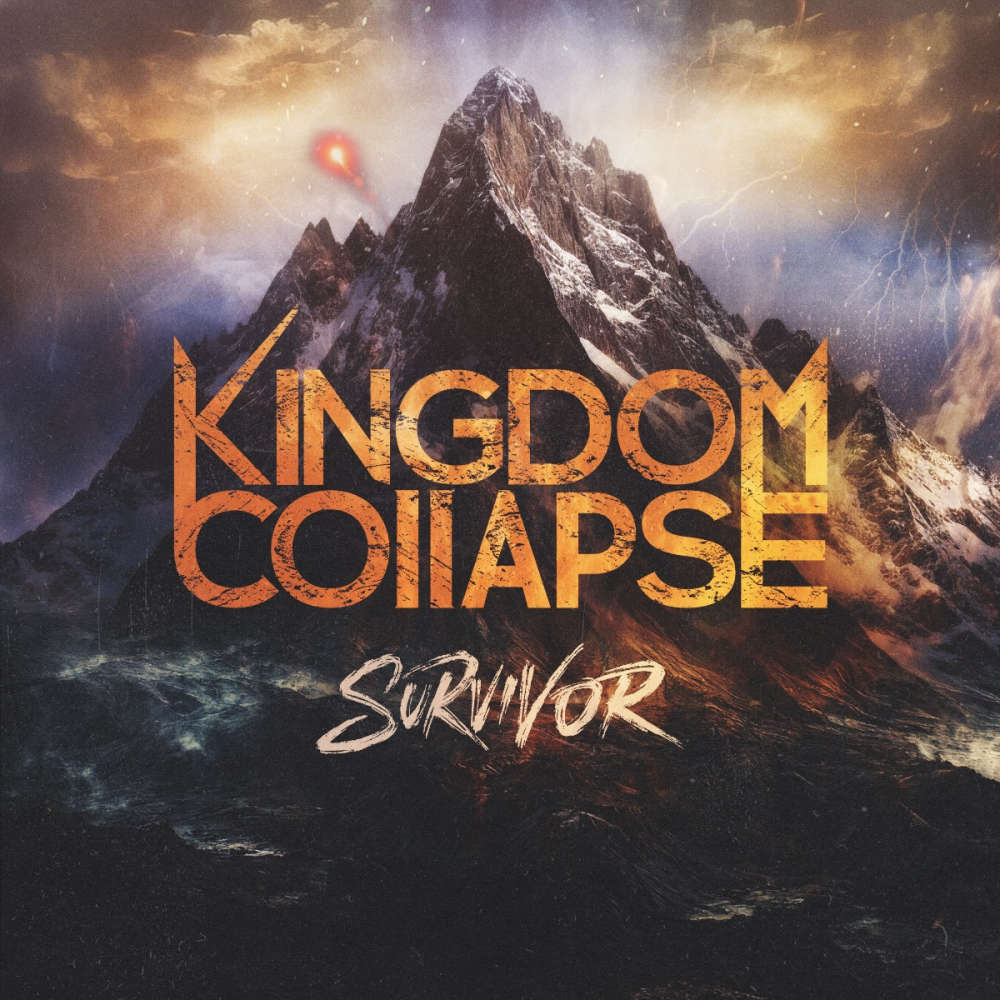 KINGDOM COLLAPSE ‘Survivor’
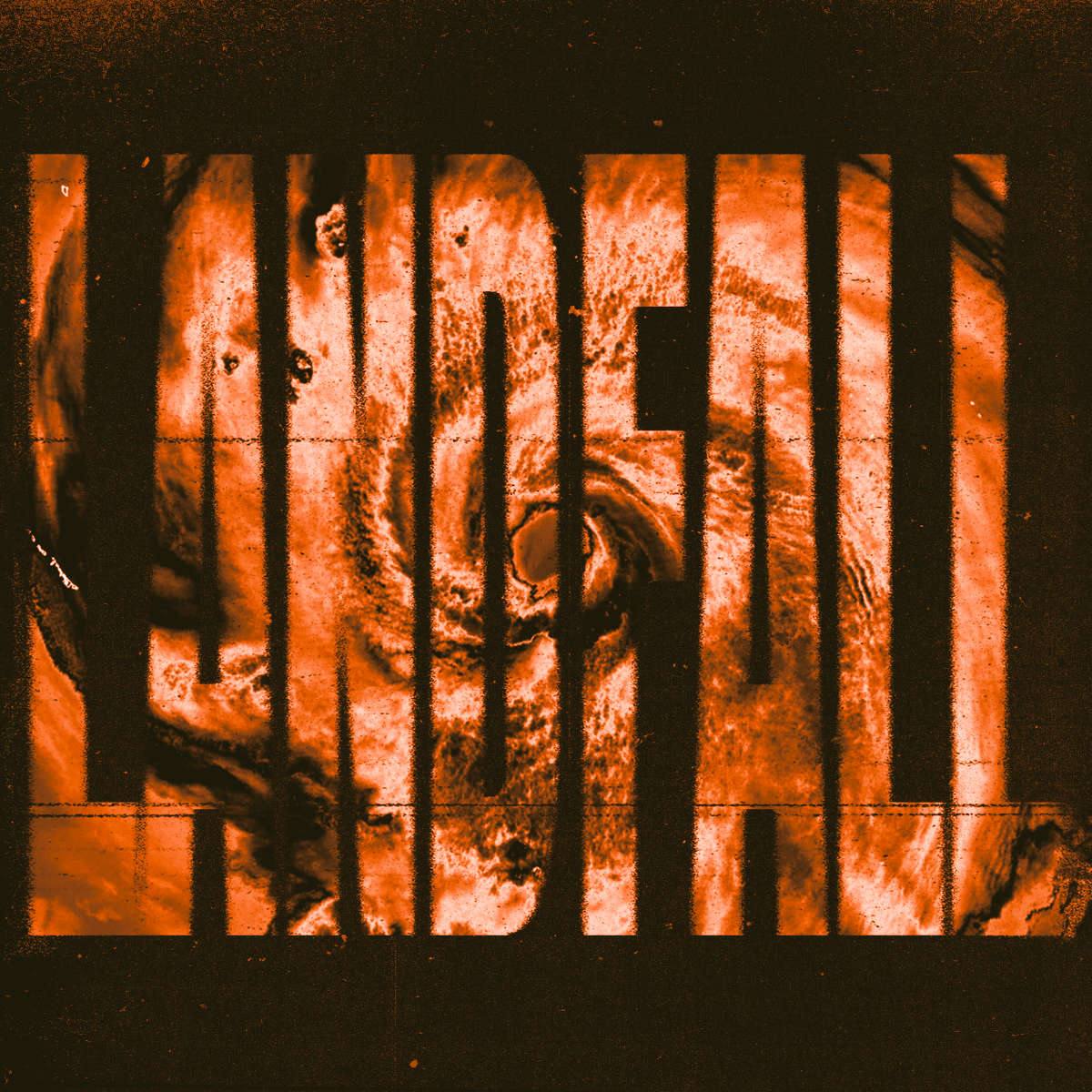 WAGE WAR 'Landfall'
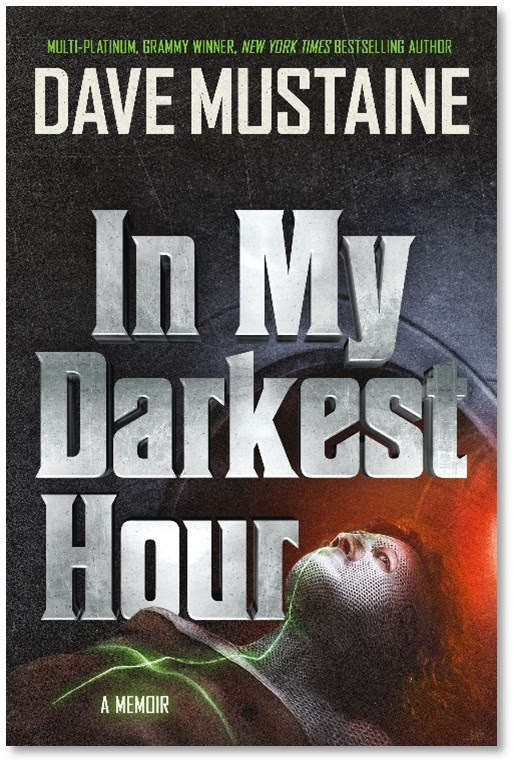 'IN MY DARKEST HOUR - A Memoir'
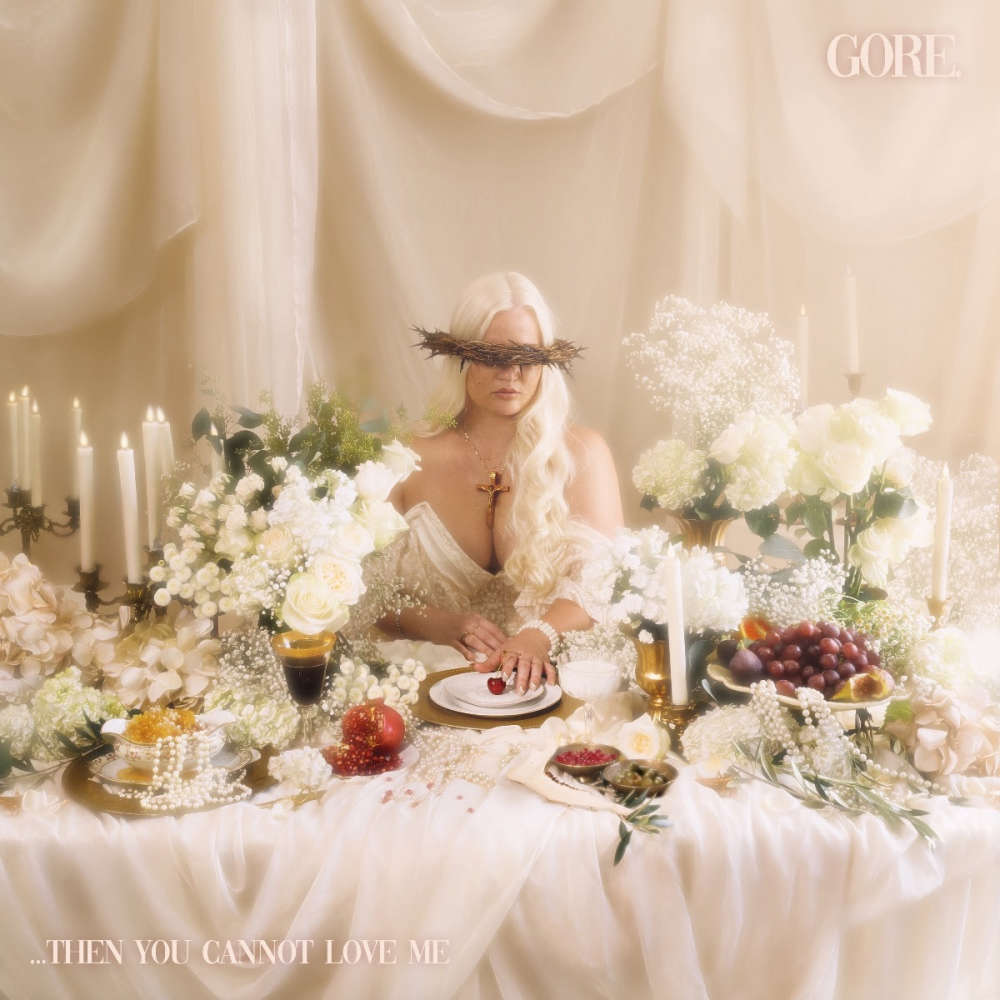 GORE. '…Then You Cannot Love Me' EP
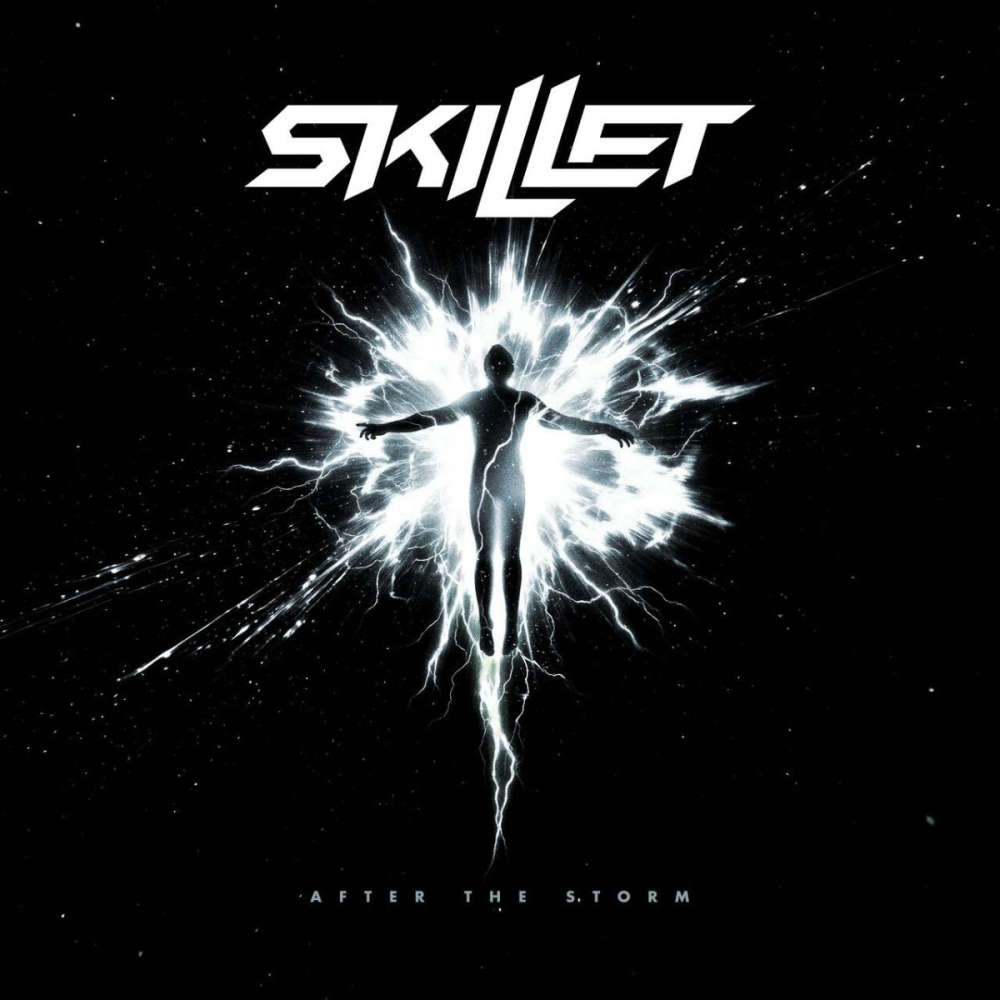 SKILLET 'After The Storm' EP
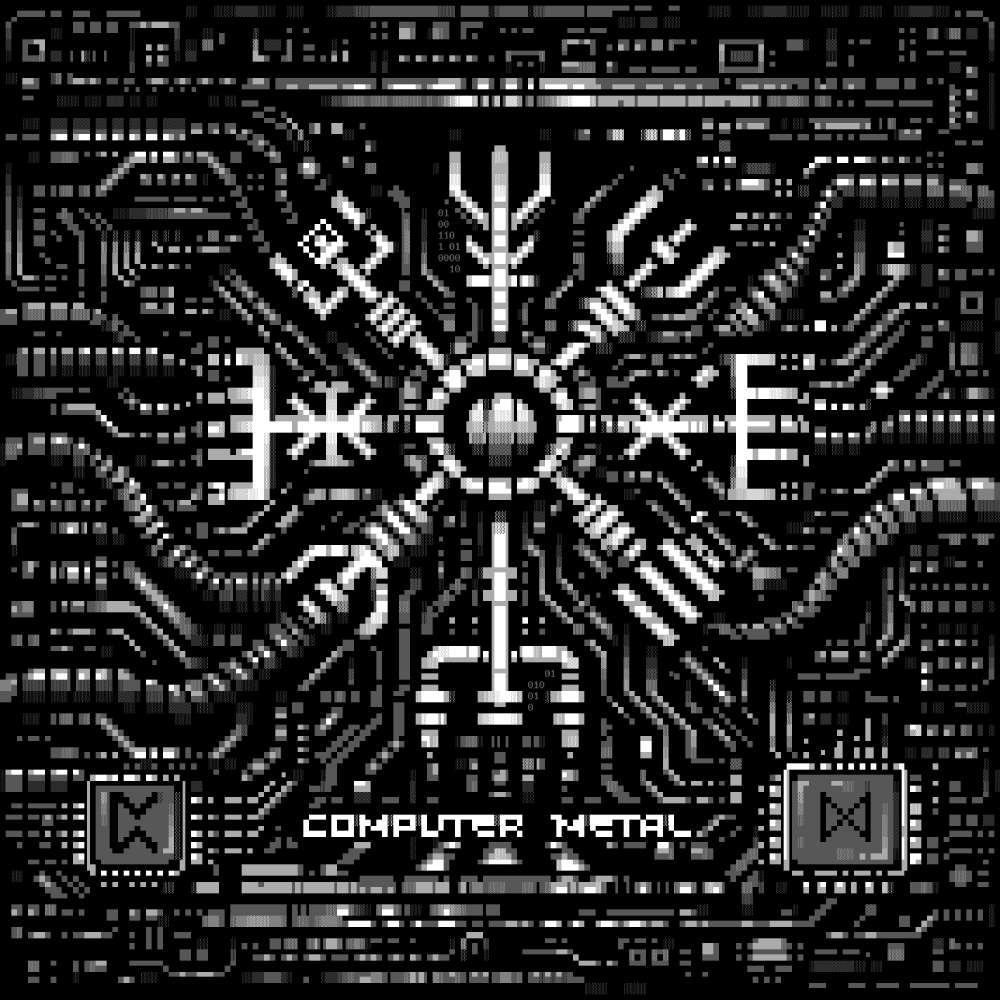 MASTER BOOT RECORD 'Computer Metal'
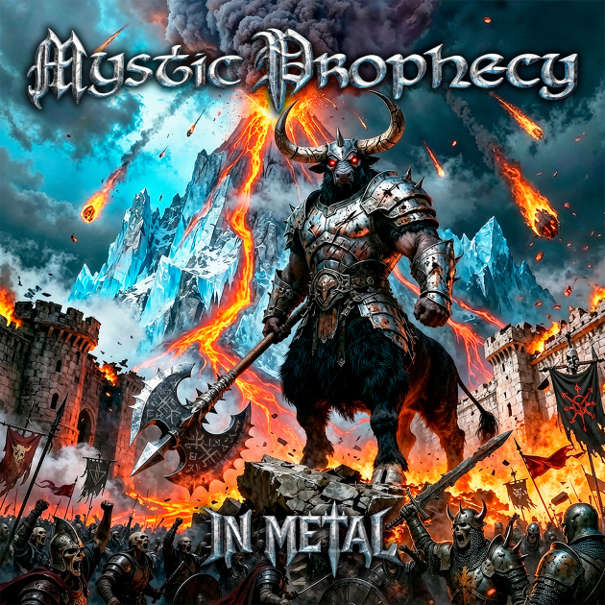 MYSTIC PROPHECY 'In Metal'
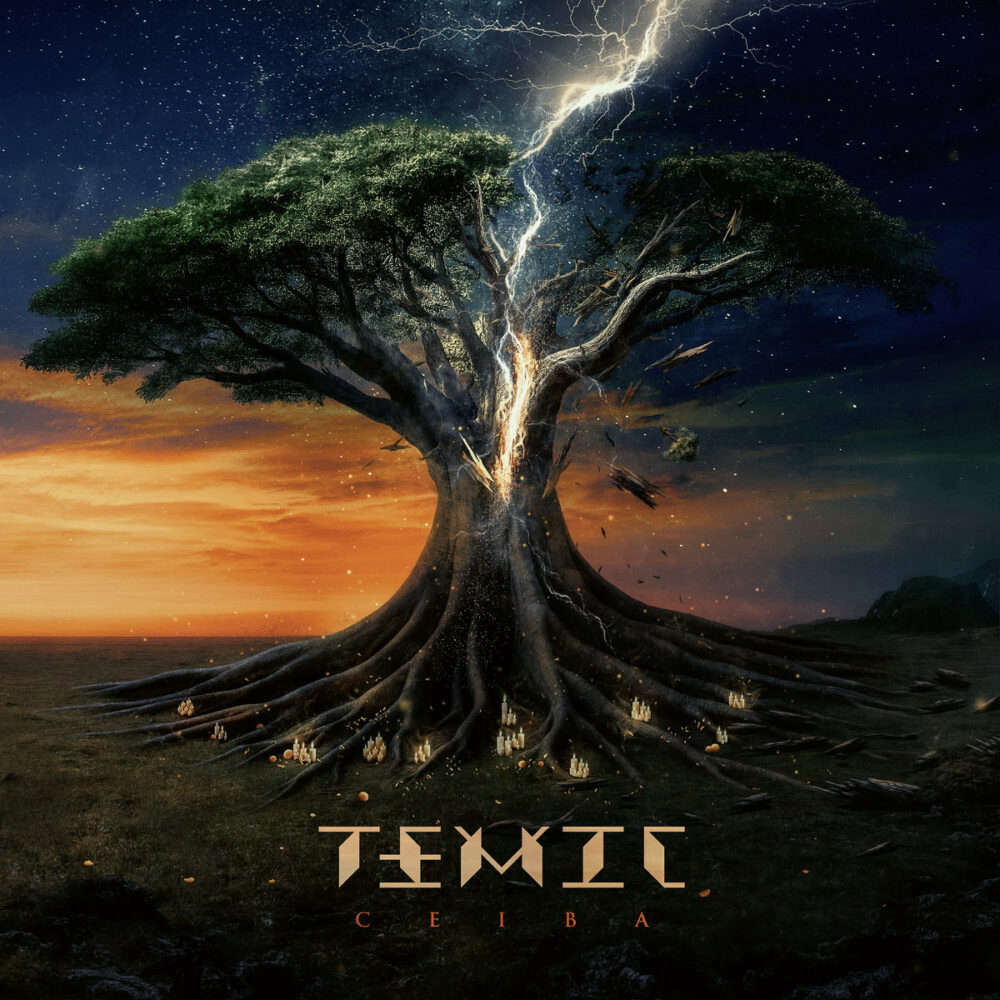 TEMIC ‘Ceiba’
 FROZEN CROWN 'The Legend of The Six Kings'
Comments
Add a comment